

The Changing Landscape at Red Bull F1
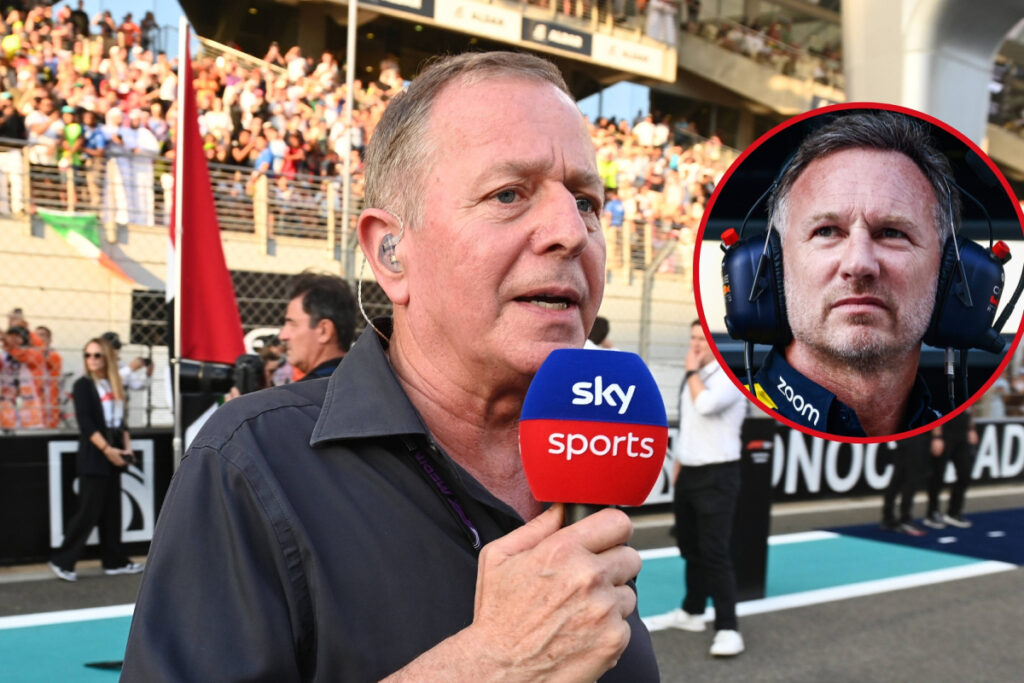
The departure of Christian Horner from Red Bull F1 has sparked significant speculation about the future direction of the team. Sky Sports F1 pundit Martin Brundle, a respected figure in the world of Formula 1, has expressed his views on the matter during live coverage of the Belgian Grand Prix. His comments highlighted the surprise and the potential changes that may come with Horner’s exit.
Brundle pointed out that while Horner was known for his strong political presence within F1, the new boss, Laurent Mekies, is expected to take a different approach. “There’s no Christian Horner, no Adrian Newey, no Jonathan Wheatley… what a seat change it’s been there of key personnel,” Brundle remarked. He emphasized that Mekies, described as a smart and hard-working individual, will play a role that differs significantly from what Horner did.
Mekies is likely to focus more on the technical and engineering aspects of the team rather than the political maneuvering that characterized Horner’s leadership. This shift could mean a departure from the aggressive tactics seen in previous seasons, such as the controversial 2021 title battle where Red Bull pushed for an extra lap in Abu Dhabi, ultimately securing Max Verstappen’s first championship.
A New Era for Red Bull
The politics associated with Horner’s tenure included direct communication with race directors, which is now prohibited. Brundle noted that this kind of interaction is unlikely to happen under Mekies’ leadership. Instead, the team is expected to adopt a more departmentalized structure, with each area of the team operating independently but collaboratively.
Mekies brings a background rooted in engineering, having served as Toro Rosso’s chief engineer and later as a race engineer. His experience at Ferrari, where he worked as sporting director and deputy team principal, further underscores his technical expertise. This background is expected to influence how Red Bull operates moving forward.
The Impact on Performance
Red Bull’s recent performance has raised concerns, particularly after Max Verstappen fell 81 points behind Oscar Piastri in the standings at Spa. The team’s decision to appoint Mekies reflects a desire to return to championship contention and improve the car’s performance. However, the loss of key figures like Horner, Adrian Newey, and Jonathan Wheatley has left the team in uncharted territory.
The changes at Red Bull are not just about leadership; they also signal a broader transformation in the team’s strategy and operations. With a new boss at the helm, the team is likely to focus more on technical innovation and less on political strategies.
Looking Ahead
As the 2025 season approaches, the future of Red Bull F1 remains uncertain. The team must navigate these changes while maintaining its competitive edge. The transition from Horner to Mekies marks a pivotal moment in the history of Red Bull, with the potential to reshape the team’s identity and performance in the coming years.
The challenges ahead are significant, but so are the opportunities. With a new leadership style and a focus on engineering excellence, Red Bull has the chance to redefine its place in the world of Formula 1. Whether this shift will lead to success or further setbacks remains to be seen.















Comment