

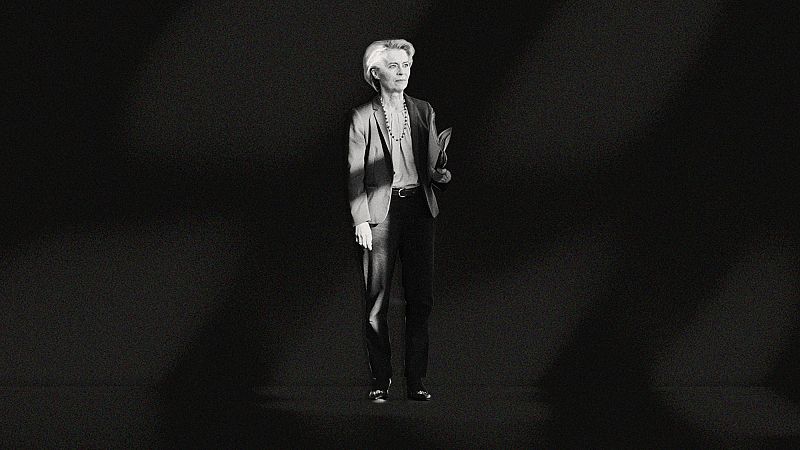
A Challenging Summer for Ursula von der Leyen
The summer of 2025 has been a difficult one for Ursula von der Leyen, the President of the European Commission. Typically a quieter month in Brussels politics, July brought a series of intense events that have tested her leadership and exposed vulnerabilities in her administration.
The Motion of Censure
Von der Leyen has never had an easy relationship with the European Parliament. Members of the European Parliament (MEPs) have often expressed frustration with her tendency to focus more on member states than on the hemicycle. This tension came to a head when Gheorghe Piperea, a far-right Romanian MEP, introduced a motion of censure against the Commission. Despite the motion being seen as a long shot, it managed to gather enough signatures to proceed to a vote.
The motion, which included allegations related to the Pfizergate scandal and claims of electoral interference, was ultimately rejected by a large majority. However, the real impact was not the result but the fact that it forced von der Leyen to address the accusations directly. She dismissed them as “false claims” and “sinister plots.” The episode highlighted the potential for MEPs to challenge the Commission at any time, with some, like Manon Aubry of The Left, already planning new attempts.
The Budget Controversy
Following the motion of censure, von der Leyen turned her attention to the EU’s next seven-year budget. The proposal faced internal disputes over its size, structure, and funding allocations. One of her key ideas—merging agricultural and cohesion funds into a single envelope—was met with criticism from the farming lobby. The Commission’s culture of secrecy also caused confusion among other Commissioners about their future budgets.
When she finally unveiled the €2 trillion budget, the largest ever proposed, the focus was split between the ambitious plan and the behind-the-scenes drama. During a press conference, she was asked about her treatment of the 26 Commissioners, acknowledging that not everyone was satisfied but emphasizing the collegial decision-making process.
The Summit with China
The EU-China summit in Beijing proved to be another challenging moment. Officials described the state of relations as “unsustainable,” given China’s use of state subsidies and export restrictions. Despite the urgency for change, the summit yielded little concrete progress. Von der Leyen emphasized the need for fair trade, but the lack of tangible results left many concerned about the future of EU-China relations.
Analysts warned that if Europe fails to push back against China’s trade practices, it could face significant long-term damage to its industrial base. The summit underscored the delicate balance von der Leyen must maintain between confrontation and cooperation.
The Trump Deal
Ursula von der Leyen’s commitment to the transatlantic alliance was put to the test when Donald Trump announced his “reciprocal” tariffs. The deal reached with Trump involved a 15% tariff on most EU products and a 0% tariff on most US products. Additionally, the EU pledged to invest heavily in American energy and markets.
The agreement faced strong criticism for being overly lopsided, with many viewing it as a capitulation to Trump. Von der Leyen defended the deal, stating that 15% was the best possible outcome. However, the deal has damaged her reputation as a strong leader and may become a significant issue during her second term.
Despite the backlash, none of the EU leaders seem willing to renegotiate the deal, with French President Emmanuel Macron noting that Europe still sees itself as a power that needs to be feared.








Comment