

Elon Musk’s New Political Venture and the Future of American Politics
Elon Musk, the billionaire entrepreneur behind Tesla and SpaceX, has recently taken a bold step into the political arena by launching the America First party. This move comes amid a growing public debate about the effectiveness of the traditional two-party system in the United States. The decision to create a new political party was influenced by a poll conducted on his social media platform X, where users were asked if it was time for a third party that could represent the majority of Americans who feel unrepresented by the current political landscape.
Musk’s initiative has sparked both excitement and skepticism. While some see it as a potential game-changer, others question whether a third party can truly disrupt the long-standing dominance of the Democratic and Republican parties. The idea of a new political force gaining traction is not without precedent, but history shows that breaking through the two-party system is an uphill battle.
The Challenges of a Third Party
Political analysts have weighed in on the feasibility of Musk’s venture. James Johnson, a pollster, argues that no third party in U.S. history has managed to achieve lasting success. He points out that the only third parties to make an impact were those with very narrow bases, such as the Populist Party of the 1890s, which represented farmers. Johnson suggests that Musk’s broad appeal may not be enough to overcome the structural challenges of the American political system.
The financial resources and global influence of Musk are undeniable, but they may not be sufficient to build a functional political organisation. Johnson highlights the complexity involved in running a political party, including fundraising, voter mobilisation, and navigating the existing power structures within the two major parties. He also questions whether Musk’s ventures, such as Tesla, will allow him to maintain focus on this new political project.
A recent poll by JL Partner suggested that Musk’s third-party effort could receive around four per cent of the vote, with only a small percentage coming from Democrats. Johnson notes that while Americans may feel the two main parties are too similar, the reality is that they remain distinct in their policies and ideologies.
A Different Perspective
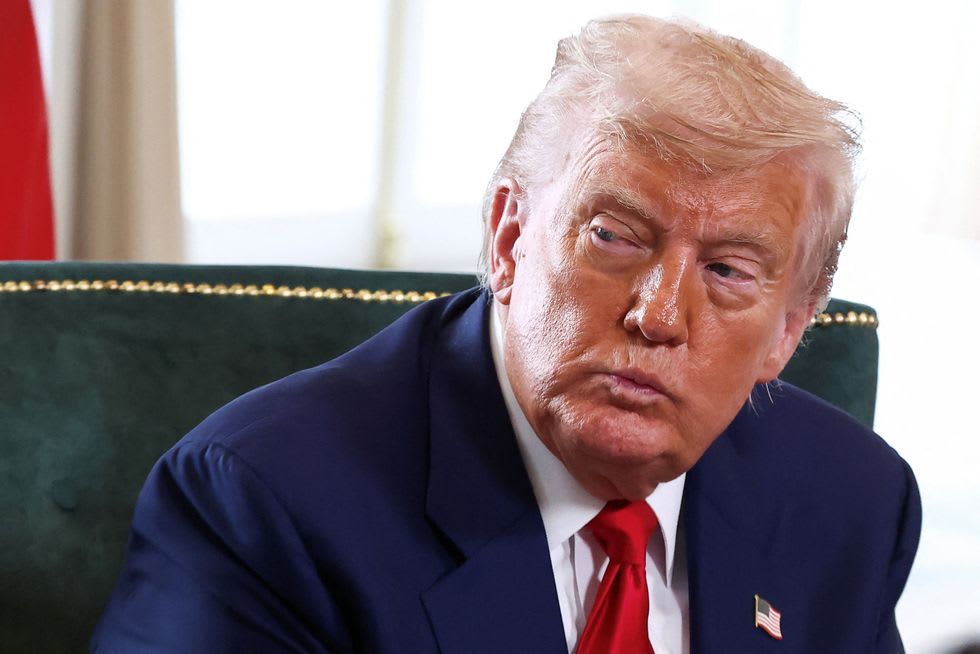
Not everyone shares this pessimistic view. Political analyst Scott Lucas believes that Musk’s involvement in politics is more than just a stunt. He acknowledges that Musk has significant resources, including his social media platform X, which gives him a unique advantage in shaping public opinion. However, Lucas also points out that Musk faces considerable challenges, including opposition from established political figures like Donald Trump and the well-organised networks within the Republican Party.
Lucas suggests that Musk’s motivation goes beyond personal rivalry with Trump. He identifies two key factors driving Musk’s decision: concerns over government debt and renewable energy policy. According to Lucas, Musk believes that Trump’s proposed “Big Beautiful Bill” would significantly increase the national debt, which conflicts with Musk’s vision for a more sustainable economic future. Additionally, Musk has a vested interest in advancing renewable energy, particularly in the context of competition with China.
The Road Ahead
Despite the challenges, Musk’s involvement in politics could still have a lasting impact. His ability to mobilise support through social media and his global brand may help him attract a diverse coalition of voters. However, he must also navigate the legal and logistical hurdles of running a political party, including finding a suitable presidential nominee.
As the political landscape continues to evolve, the role of figures like Musk in shaping the future of American politics remains uncertain. Whether his efforts will lead to meaningful change or fade into obscurity will depend on a variety of factors, including public support, organisational strength, and the broader political climate.
For now, the ongoing public feud between Musk and Trump serves as a reminder of how influential individuals can shape the political discourse, even if their long-term impact remains to be seen.

















Comment